Types of Vehicle Collisions and What They Mean for Your Car Accident Claim in North Carolina
A car accident can happen in seconds, but the decisions you make afterward can affect your claim for months. The type of collision you experienced directly shapes how fault is determined, how injuries are documented, and how much compensation you may recover. North Carolina’s strict contributory negligence rule makes understanding your accident type critical before speaking with an insurance adjuster.
At Mogy Law, we help injured drivers and families across Raleigh and North Carolina build strong cases from the start. Working with an experienced North Carolina car accident lawyer gives you the best chance of protecting your rights and recovering the compensation you deserve.
Why Collision Type Matters in Car Accident Claims
The type of car accident that occurs plays a direct role in how insurance companies, attorneys, and courts handle your claim in North Carolina.
How Collision Type Influences Insurance Decisions
Insurance companies do not treat all car accidents the same way. A rear-end collision is handled differently than a head-on collision or a single vehicle crash. The type of crash helps an insurance adjuster determine who is responsible, what coverage applies, and how much compensation is owed. Knowing the collision type from the start helps protect your claim.
How Collision Type Affects Fault and Liability
North Carolina follows a strict contributory negligence rule. If a driver is found even partially at fault for the accident, they may be barred from recovering compensation. The type of collision gives police officers, insurers, and attorneys key evidence for determining fault. Whether two vehicles collided at an intersection or one vehicle struck a fixed object, the facts of the crash shape the liability outcome.
Why Collision Type Helps Build Stronger Cases
Understanding the category of a collision helps injured parties, insurers, and attorneys gather the right evidence. Different types of collisions require different documentation, from traffic law violations to black box data to witness statements. Identifying the collision type early supports a cleaner, faster claims process.
How Collision Type Connects to Injury Severity
The type of vehicle collision often predicts the severity of injuries. Head-on collisions and rollovers carry higher risks of fatalities and catastrophic injuries than sideswipe accidents. More severe injuries lead to higher medical bills, longer recovery times, and greater lost wages, all of which directly impact the value of a personal injury claim.
Major Types of Vehicle Collisions
North Carolina roads see a wide range of vehicle collisions, and each type carries its own causes, injury patterns, and legal implications for car accident claims.
Rear-End Collisions
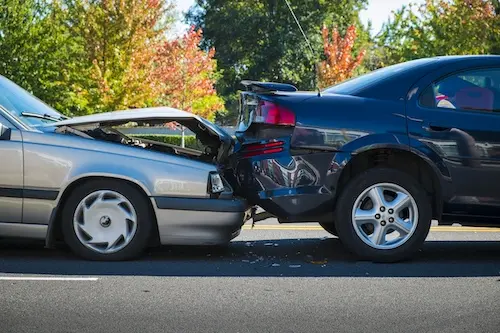
Rear-end collisions are the most common type of car accident in North Carolina. They occur when one vehicle crashes into the back of another, often due to distracted driving, following too closely, or sudden stops. The trailing driver is usually found responsible, though exceptions exist when brake lights are faulty or a driver stops abruptly without reason. Common injuries include whiplash, neck and back injuries, and head trauma.
Head-On Collisions
Head-on collisions occur when two vehicles collide front-to-front, often at excessive speed. These crashes are among the deadliest on North Carolina roads, with a high rate of severe injuries and fatalities. Common causes include wrong-way driving, impaired driving, driver fatigue, and veering over the centerline. Fault is often clear, but factors like speeding or DUI can add legal complexity to the claim.
Side-Impact (T-Bone) Collisions
Side-impact collisions happen when one vehicle strikes the side of another, forming a T shape. These crashes frequently occur at intersections and parking lots across North Carolina. Common causes include running red lights, failing to yield, and improper left turns. Injuries can be severe, including broken bones, internal bleeding, and head and neck trauma. Determining fault often depends on right-of-way rules and traffic law violations.
Left-Turn Accidents
Left-turn accidents are among the most common collision types at intersections, second only to rear-end collisions. They occur when a vehicle turns left and is struck by oncoming traffic. Drivers often misjudge the speed of an oncoming vehicle or fail to yield properly. Injuries commonly include facial injuries, chest trauma, and broken bones. Fault may be shared between the parties involved depending on the circumstances.
Sideswipe Accidents
Sideswipe accidents occur when two vehicles traveling in the same direction make side-to-side contact. Unsafe lane changes, distracted driving, and merging errors are leading causes. Injuries range from whiplash and soft tissue damage to more severe trauma depending on speed and road conditions. Fault is typically placed on the driver who made the negligent lane change.
Rollover Accidents
Rollover accidents happen when a vehicle tips onto its side or roof. Excessive speed, sharp turns, swerving, and a high center of gravity are common contributing factors. These crashes often result in catastrophic injuries or fatalities. Investigating a rollover requires a detailed analysis of driver behavior, road conditions, and vehicle condition to determine negligence.
Multi-Vehicle Collisions
Multi-vehicle collisions involve three or more vehicles and are commonly called pileups. They frequently occur on North Carolina highways and freeways where traffic congestion, poor visibility, and chain reactions increase risk. With multiple parties and insurers involved, determining fault and processing claims becomes significantly more complex. Each vehicle involved may carry a different degree of responsibility.
Underride Accidents
Underride accidents occur when a smaller vehicle slides beneath a larger truck or trailer. These crashes carry an extremely high fatality risk and are among the most dangerous collision types on the road. Sudden stops by large commercial vehicles and the absence of underride guards are common causes. These cases often involve federal trucking regulations alongside North Carolina traffic laws.
Hit-and-Run Accidents
A hit-and-run accident occurs when the at-fault driver leaves the scene without providing insurance or personal details. In North Carolina, leaving the scene of an accident is a criminal offense. Victims can file a claim through their own uninsured motorist coverage when the at-fault driver cannot be identified. Gathering evidence at the scene, including witness information and traffic camera footage, is critical in these cases.
Single-Vehicle Crashes
Single-vehicle crashes involve only one vehicle and account for a significant portion of fatal crashes in North Carolina. Causes include road hazards, driver error, poor weather conditions, and mechanical failure. While the driver is often considered at fault, third-party liability may apply in cases involving roadway defects, construction zone hazards, or vehicle manufacturing issues. These cases require careful investigation to identify all responsible parties.
Proactive Steps After a Vehicle Collision
Taking the right steps immediately after a vehicle collision in North Carolina can protect your health, preserve critical evidence, and strengthen your car accident claim.
Call 911 and Secure the Scene
Contact emergency services immediately after a car accident, regardless of how minor it may appear. A police officer will respond, document the crash, and file an official police report that becomes key evidence in your claim. If it is safe to do so, move vehicles out of active traffic to prevent additional collisions.
Seek Medical Treatment Right Away
See a medical provider as soon as possible after any vehicle collision, even if you do not feel injured. Some injuries, including traumatic brain injuries and internal bleeding, do not produce immediate symptoms. Prompt medical evaluation creates a clear record that directly supports your personal injury claim.
Document the Scene Thoroughly
Photograph the vehicles involved, skid marks, traffic signs, and any visible injuries. Collect the insurance information and personal details of all other drivers and gather contact information from any witnesses. Strong documentation makes it significantly harder for an insurance company to dispute your account of the crash.
File a Police Report
North Carolina law requires drivers to report any car accident that results in injury, death, or property damage above a certain threshold. A police report establishes an official record of the crash and the initial assessment of fault. Request a copy as soon as it becomes available.
Notify Your Insurance Company
Report the collision to your insurance company as soon as possible. Provide accurate information without speculating about fault or the extent of your injuries. Review your policy to understand what coverage applies to the type of collision you were involved in.
Keep Records of All Expenses and Losses
Track every expense connected to the car accident, including medical bills, vehicle repair costs, and lost wages. Keep copies of all treatment records, receipts, and correspondence with insurance adjusters and medical providers. Organized documentation makes it easier for an attorney to assess the full value of your losses.
Consult a Car Accident Attorney
If you suffered injuries, face disputed fault, or are dealing with a complex claim, consulting a personal injury attorney in North Carolina is a strong move. North Carolina’s contributory negligence rule means even a small finding of fault against you can bar your recovery entirely. Most car accident attorneys offer a free case review to help you understand your options.
Contact Mogy Law After a Vehicle Collision in North Carolina!
If you or a loved one has been injured in a car accident, do not wait to get help. Our team at Mogy Law understands North Carolina car accident law and knows what it takes to build a strong personal injury claim. Whether you are dealing with a rear-end collision, a hit-and-run, or a complex multi-vehicle crash, we are ready to review your case, protect your rights, and fight for the compensation you deserve.
Contact us at (901) 443-9133 for a free case review today!