How Car Insurance Claim Decisions After a Crash Affect Your Outcome
After a car accident, most people focus on the crash itself. Then the bills arrive. Car insurance claims can involve several factors, and small mistakes can cost you money. At Mogy Law Firm, we talk with drivers every week who feel stressed, hurt, and unsure what to do next. You deserve clear steps and fair treatment from the insurance company.
Car accident costs add up fast. A tow, a rental, and vehicle repairs can hit your savings in days. Doctor and hospital bills can keep coming for weeks. Some customers also face claim delays or claim denials because the insurer says the same information is missing, the accident report is late, or the insurance adjuster disputes fault. If you understand the auto claims process, you can collect and track what the insurer needs from the start.
What is at stake is real. A claim can cover property damage, repair shop estimates, and payment for injuries. Some crashes lead to a total loss, where the insurer offers a value you may not agree with. Your deductible also matters because it changes what you pay out of pocket. If the at-fault driver caused the wreck, you may file a claim against the other driver’s auto insurance for costs and medical bills.
Your insurance policy, North Carolina state laws, and fault rules shape your coverage. A claims adjuster will review photos, a police report, and statements to determine liability. If you speak too soon or give a recorded statement without facts, you can harm your case. When you know the process, you move faster, avoid missed deadlines, and protect your right to have the insurer cover fair repairs, including OEM parts, when your policy allows. If you have concerns, Mogy Law Firm can help you take the next step.

Types of Car Insurance Claims
After a car accident, the type of claim you file can change who pays, how fast payment comes, and what proof the insurance company will demand. At Mogy Law Firm, we see confusion cause delays in car insurance claims. We help clients pick the right path and protect their rights during the auto claims process.
First-party claims: When to file with your own insurance company (collision, comprehensive)
A first-party claim means you file a claim with your own auto insurance. You use it when you need coverage for your own vehicle repairs, even if the other driver caused the crash. Your insurer will assign a claims adjuster, review the accident report, and may inspect the car at a repair shop. You usually pay a deductible up front, then your insurer pays the rest based on your insurance policy and limits.
Third-party claims: Filing against the at-fault driver’s insurance for property damage and medical bills
A third-party claim goes to the at-fault driver’s insurance company. This claim can cover property damage, doctor and hospital bills, and other auto accident expenses if the other driver is legally responsible. The insurance adjuster may ask for a recorded statement and medical records. You should stay careful and stick to the same information you gave the police and medical providers.
Collision vs. comprehensive coverage: What each protects and when to use them
Collision coverage pays for repairs after a car collision with another vehicle or object. Comprehensive coverage applies to non-crash losses like theft, fire, or weather. Both may involve estimates, questions about OEM parts, and disputes about value or total loss. If the insurer pushes a recommended repair service, you can still ask about your shop choice and trusted network options.
Step-by-Step Claims Process: How to File Car Insurance Claims
After a car accident, the auto claims process can feel like a second job. We see that stress every day at Mogy Law Firm. These steps help you file a claim, protect your coverage, and keep the insurance company on track.
Notifying Your Insurance Company
Contact your insurer as soon as you can, often within 24 to 48 hours. Use the phone, app, online portal, or your agent. Share basic facts only. Give the crash date, time, location, and the same information you collected at the accident scene, like the other driver’s name, license plate number, and insurance policy details. Do not guess about fault.
Submitting Documentation
Build a simple claim file. Include the accident report, photos, contact info for witnesses, and all estimates. Save doctor and hospital bills, medical bills, and any receipts for rental or towing. These documents help the insurer determine payment for property damage and auto accident expenses.
Getting Repair Estimates
You can usually pick your repair shop. The insurer may suggest a recommended repair service from its trusted network. Ask about OEM parts versus aftermarket parts, and get repair estimates in writing. Track vehicle repairs and timelines.
If you use your own car insurance collision coverage, you usually pay the deductible to the shop before you get your car back. If the other driver is legally responsible, you may later get reimbursed through subrogation, depending on several factors.
Handling Your Medical Bills, Injuries, and Property Damage
After a car accident, you face two fights at the same time. You need to get better, and you need to protect your car insurance claim. At Mogy Law Firm, we see stress rise when doctor and hospital bills arrive before the insurance company pays. A clear paper trail helps you recover your costs.
Seeking immediate medical care: Why documentation matters for claims
Get medical care right away if you feel pain, dizziness, or shock. Ask the doctor for visit notes and keep copies of test results, prescriptions, and follow-up plans. Save every bill, including hospital bills, physical therapy, and mileage to appointments. These records connect your injuries to the crash. They also help if a claims adjuster questions the timing or severity of your injuries.
Coverage options: Liability, personal injury protection (PIP), uninsured/underinsured motorist
Several factors decide who will pay medical bills. Liability coverage usually applies when the at-fault driver caused the car wreck. PIP coverage may pay first in no-fault states, even if fault is unclear. Uninsured and underinsured motorist coverage can help when the other driver has no insurance or low limits. Your insurance policy limits and your deductible also affect payment timing.
Rental car reimbursement: When and how your policy covers a rental during repairs
Rental coverage varies by auto insurance policy. Some policies pay a daily limit for a set number of days while your car is in a repair shop. Keep rental receipts and confirm the limit before you sign. If the insurer delays vehicle repairs, document every contact.
Working with the Insurance Company and Adjuster
After a car accident, you will deal with an insurance company fast. That can feel stressful, especially while you manage injuries, vehicle repairs, and doctor and hospital bills. At Mogy Law Firm, we help clients protect their claim during this part of the auto claims process. Your goal is simple: give accurate facts, avoid traps, and push for fair payment under the insurance policy.
What to expect from a claims adjuster: Investigation, negotiation, and settlement
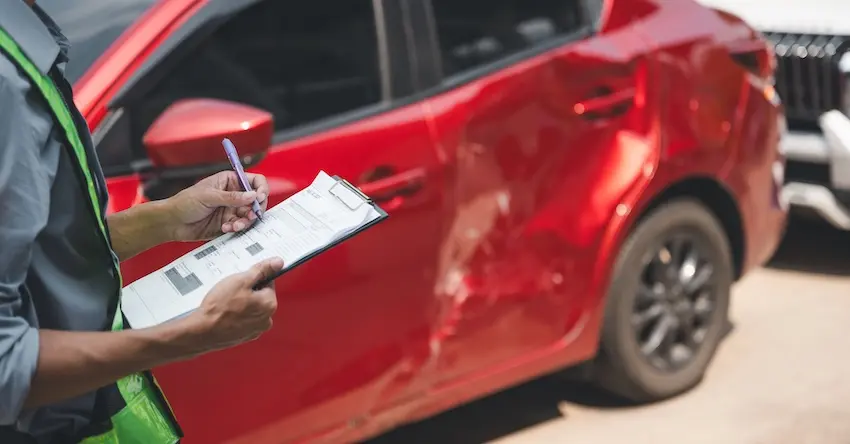
A claims adjuster will review the accident report, photos, and statements. They may inspect the car, review repair estimates, and talk to the other driver’s insurer. The adjuster will also look at several factors, such as fault, coverage limits, and prior damage. If you have medical bills or hospital bills, the adjuster may request records to decide what the insurer will cover and pay.
Impact on premiums: How claims affect your insurance rates and what to watch for
A claim can affect your premium, even when the other driver is legally responsible. Ask your agent how a car insurance claim may change rates, and track all costs like rental and auto accident expenses. If the insurer delays or underpays, a car crash attorney can step in to protect you.
Special Scenarios and Factors That Can Affect Your Claim
Some car insurance claims look simple. Many do not. After a car accident, several factors can change how the insurance company handles payment for injuries, property damage, and vehicle repairs. At Mogy Law Firm, we walk clients through these issues so they can focus on healing and getting back on the road.
If the other driver has no insurance, you may need to use uninsured motorist coverage under your auto insurance policy. If the other driver has low limits, underinsured motorist coverage may apply. Your insurer and claims adjuster will still review the accident report, photos from the accident scene, and medical records before they agree to pay medical bills, such as doctor and hospital bills. Keep copies of hospital bills and any out-of-pocket costs, including rental expenses.
Total loss and high-cost repairs also create disputes. An insurer may declare a car a total loss when repair costs reach a set percentage of the car’s value. Most companies use actual cash value, not replacement cost. Actual cash value can drop due to mileage, prior wear, and pre-existing damage. If you disagree, ask for the valuation report, send comparable listings, and request a review. For repairable cars, you can still ask about OEM parts versus aftermarket parts and get your own estimates from a repair shop you trust, even if the insurance adjuster suggests a recommended repair service.

Need Help with Your Car Insurance Claim? Contact Mogy Law Firm Today!
A car accident can leave you with injuries, vehicle repairs, and doctor and hospital bills that stack up fast. You may also face pressure from an insurance company or a claims adjuster to accept a quick payment. If you feel stuck in the auto claims process, we can help you take control.
At Mogy Law Firm, we listen first. Then we act. We can review your insurance policy, explain your coverage, and push back when the insurer blames you or offers less than fair value. If the other driver was the at-fault driver, we can pursue a third-party claim for property damage, medical bills, lost wages, and other auto accident expenses.
Bring what you have, even if it feels incomplete. The same information helps us move faster:
- Accident report or police report number
- Photos from the accident scene and damage
- Other driver details, including driver’s license number, license plate number, address, and insurer
- Repair shop estimates, recommended repair service paperwork, and notes about OEM parts
- Hospital bills, medical records, and proof of out-of-pocket costs like rental expenses
- Any emails, texts, or recorded statement requests from an insurance adjuster
Call (901) 443-9133 for a free consultation. You do not need to face the insurance adjuster alone. In North Carolina, Mogy Law Firm will handle the calls, track the claim, and fight for a result that covers your real costs.