Hurt in a Rear-End Collision? Our Car Accident Lawyers Are Here to Help
Rear-end car accidents are among the most common types of collisions on the road. Dealing with the fallout can feel overwhelming, especially when you’re also trying to recover from your injuries. You may be wondering who is responsible for the rear-end collision and what your options are if the adjuster tries to lowball your claim.
These are completely normal concerns, and you don’t have to figure them out alone. That’s where a Raleigh car accident lawyer from Mogy Law can help. Our team is here to guide you through every step of the process.
In this blog, we’ll walk you through the most common causes of rear-end car accidents, how fault is typically determined, what steps you should take after a crash, and more.
Causes of Rear-End Car Accidents
Most rear-end accidents happen because a driver is careless or reckless behind the wheel. Common causes include distracted driving, following too closely, and speeding. At Mogy Law, we are committed to holding negligent drivers accountable and pursuing justice for our clients.
Distracted Driving
Distracted driving is a leading cause of rear-end collisions. Activities such as texting, eating, or adjusting devices divert attention from the road, making it easy to miss sudden stops or changes in traffic flow. Even a momentary lapse in focus can significantly increase the risk of an accident.
Tailgating
Following too closely, or tailgating, is another common cause of accidents. Drivers who fail to maintain a safe distance often cannot stop in time to avoid a crash when the lead car brakes suddenly. This behavior is particularly dangerous in high-traffic areas and during bad weather.
Speeding
Excessive speed reduces reaction time and increases stopping distance, making a rear-end collision more likely. High speeds amplify the force of impact, leading to more severe injuries and greater vehicle damage in the event of an accident.
Weather Conditions
Adverse weather, such as rain, fog, snow, or ice, can make roads slippery and limit visibility. Drivers who fail to adjust their speed or maintain extra distance under these conditions can easily cause rear-end car accidents. North Carolina’s changing weather patterns can create hazardous conditions, especially during the winter and hurricane seasons.
Impaired Driving
Driving under the influence of alcohol or drugs impairs judgment and limits a person’s ability to react to sudden changes in traffic. Poor judgment, slower reflexes, and reduced concentration increase the likelihood of rear-end car accidents.
Sudden Stops
Sudden stops by the lead vehicle, whether due to traffic lights or unexpected hazards, can also trigger rear-end car accidents. These situations are particularly dangerous when the following driver is distracted, speeding, or tailgating, leaving insufficient time to react.

Determining Fault for Rear-End Car Accidents in North Carolina
One of the first questions people ask after a rear-end collision is: Who’s responsible? North Carolina follows an at-fault system, which means the driver who caused the crash is the one responsible for covering the damages — including your medical bills, lost wages, and other losses.
The Driver Who Rear-Ends Someone Is Usually At Fault
In most rear-end car accidents, the driver who hits you from behind is presumed to be at fault. The reasoning is straightforward: drivers are expected to maintain a safe following distance and pay attention to the road ahead. When they don’t, and a collision happens, the law generally points to them first. However, the person who hits another car from behind isn’t always to blame for the wreck.
Sometimes the Front Driver Causes the Rear-End Collision
While it’s less common, sometimes the front driver’s actions cause the accident. Slamming on the brakes without warning, driving with broken brake lights, or behaving erratically on the road are all examples. Every case is different, and the specific facts and available evidence will ultimately shape how fault is assigned.
Liability in Multi-Vehicle Accidents Is Complicated
If you were involved in a multi-vehicle pileup, figuring out who’s responsible gets a lot more complicated. In these situations, each driver’s behavior — whether they were following too closely, driving too fast, or reacting poorly — comes under the microscope.
Sorting out liability in chain-reaction accidents usually requires a thorough investigation and, in many cases, expert analysis to piece together exactly what happened and in what order.
The Role of Evidence in Rear-End Car Accidents
Evidence is what tells the real story. Photos of the accident scene, damage to the vehicles, statements from witnesses, and the official police report all play a critical role. Gathering and organizing this evidence takes time and know-how — which is another reason why having an experienced attorney on your side matters. A lawyer can make sure nothing important gets overlooked and that your case is presented as effectively as possible.
Compensation After a Rear-End Collision
If you were hurt in a rear-end car accident, you can pursue compensation from the person responsible for the crash. The value of your claim depends on a wide range of factors, from the severity of your injuries to how clearly fault can be established. An experienced car crash lawyer can evaluate the specifics of your situation and fight for every dollar you deserve.
What Can You Recover After a Rear-End Accident?
Rear-end car accidents can cause serious, lasting harm. Your settlement should reflect the full impact the crash has had on your life, not just your immediate expenses. Depending on the facts of your case, you may be able to recover damages for:
- Medical Bills — This includes emergency room visits, physical therapy, and future medical care.
- Lost Wages — If your injuries kept you out of work, you can seek repayment for the wages you missed.
- Lost Future Income —If your ability to earn a living has been affected long-term, that should be factored into a rear-end car accident claim.
- Property Damage — You can recover money for the cost of repairing or replacing your car, as well as any other personal property damaged in the crash.
- Pain and Suffering — You can seek damages for physical pain and emotional distress caused by the accident.
- Permanent Disability — You may be entitled to additional compensation for how a long-term disability affects your daily life and future.
- Punitive Damages — The court may award additional damages if the at-fault driver’s actions were especially reckless, such as driving drunk or excessively speeding.
A car accident lawyer will dig into every aspect of your case to make sure no damages are left on the table. Insurance companies seek to minimize payouts, but your lawyer will push back hard against any attempt to undervalue what you’ve been through.
How Much Is My Rear-End Collision Claim Worth?
There’s no single answer to this question. Settlements can range from a few thousand dollars for minor fender-benders to hundreds of thousands of dollars for accidents that cause serious injuries.
Several factors influence what your claim is ultimately worth, including:
- The severity of your injuries — Accidents that cause severe injuries or long-lasting disability lead to higher compensation.
- The strength of the evidence — A strong case backed by accident scene photos, witness statements, and expert opinions usually leads to a better outcome.
- The at-fault driver’s insurance coverage — Insurers will only pay up to policy limits for settlements. If the other driver doesn’t have adequate insurance, uninsured/underinsured motorist coverage through your own policy can help.
A skilled car accident attorney can protect you from being pressured into settling for less than you deserve.
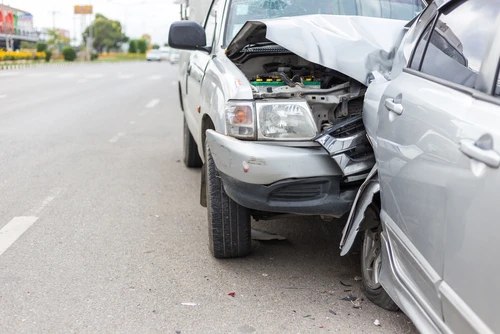
Steps to Take After a Rear-End Car Accident
Taking the right steps immediately after a rear-end collision can protect your health and legal rights.
Ensure Safety and Exchange Information
Stop your car safely and assess the situation. Check for injuries and call 911 if anyone is hurt. Exchange contact and insurance information with the other driver, including names, phone numbers, and license plate numbers. Avoid discussing fault at the scene, as this can complicate future legal claims.
Notify Law Enforcement
Report the accident to law enforcement, especially if there are injuries, significant property damage, or disputes over fault. A police report provides an official record, which can be invaluable for insurance claims and legal proceedings.
Seek Medical Attention
Seek medical attention as soon as possible after a wreck, even if you feel fine at first. Whiplash is a common injury in rear-end collisions and may not show symptoms immediately. Internal injuries may not be immediately obvious. Getting examined by a doctor quickly protects your health and establishes a clear connection between the accident and your injuries.
Document the Crash Scene
Gather as much evidence as possible at the accident scene. Take photographs of vehicle damage, skid marks, traffic signals, and road conditions. If there are witnesses, collect their contact information and statements. These details can strengthen your case when dealing with insurance adjusters or pursuing a legal claim.
Get Help From a Car Accident Lawyer
Before speaking with insurance companies, speak with a qualified car accident lawyer. Insurers may attempt to minimize payouts or shift blame. A lawyer can guide you through the claims process, protect your rights, and fight for the justice you deserve.
Contact an Experienced Raleigh Car Accident Attorney Today!
If you’ve been involved in a rear-end car accident in North Carolina, navigating the legal and insurance process can be overwhelming. At Mogy Law, our experienced team is dedicated to providing personalized support and legal guidance to help you understand your options, protect your rights, and pursue the compensation you deserve.
Contact us at (901) 443-9133 for a free case consultation today!