Rear-End Car Accident Claims: What Every Injured Driver Needs to Know
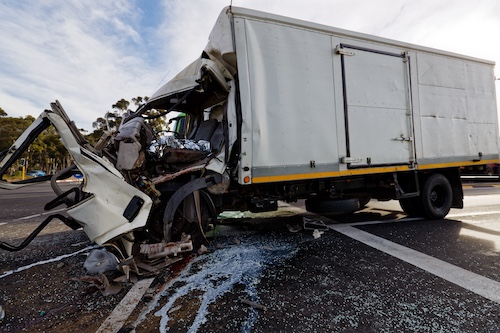
Every year, thousands of drivers across the United States are rear-ended and left facing medical bills, lost wages, and an insurance process that feels stacked against them. A minor accident can turn into a major financial burden when soft tissue injuries, traumatic brain injuries, or spinal cord damage go undetected at the accident scene.
At Mogy Law, our experienced Raleigh car accident lawyers help injured drivers understand their rights, build strong personal injury claims, and recover the fair compensation they deserve. Whether you are dealing with a straightforward insurance claim or a complex dispute over fault, this guide walks you through everything you need to know about rear-end collisions, from the accident scene to a fair settlement.

Why Rear-End Collisions Matter in Today’s World
Rear-end collisions are the most common type of car accident in the United States, and understanding their impact can help you protect your rights and recover fair compensation.
Rear-End Accidents Happen More Than You Think
Rear-end accidents account for a significant portion of all car accidents reported each year. Millions of drivers face these crashes annually, making them a leading cause of personal injury claims and insurance disputes across the country.
Minor Accidents Can Cause Major Harm
Many victims assume a minor rear-end accident means minor injuries. Soft tissue injuries, traumatic brain injuries, and spinal cord injuries can all result from low-speed rear-end crashes. Medical bills, lost wages, and long-term medical treatment costs can add up quickly, even when the initial impact seems small.
Determining Fault Is Not Always Simple
Insurance companies do not always accept clear liability in rear-end collision cases. Factors like comparative negligence rules, skid marks, police reports, and witness statements all play a role in determining fault. Victims often face pushback from insurance adjusters before receiving fair compensation.
Your Rights After a Rear-End Collision
Injured drivers have the right to recover compensation for medical expenses, lost wages, pain and suffering, and property damage. Knowing your rights from the start helps you avoid accepting a low settlement offer from the other driver’s insurance company.
Causes of Rear-End Accidents and How Fault is Determined
Knowing what causes rear-end collisions and how fault is determined can make a significant difference in the outcome of your personal injury claim.
Common Causes of Rear-End Collisions
Distracted driving is the leading cause of rear-end accidents in the United States. Other common causes include tailgating, speeding, sudden stopping, poor weather conditions, and non-functioning brake lights. Understanding what caused your accident helps establish liability and supports your insurance claim.
Who Is Usually at Fault in a Rear-End Accident
The rear driver is typically considered at fault in most rear-end collisions. Insurance companies and courts generally presume the following driver failed to maintain a safe stopping distance. However, exceptions exist when the lead driver brakes suddenly without reason, reverses unexpectedly, or operates a vehicle with non-functioning brake lights.
Evidence Used in Determining Fault
Strong evidence is critical to a successful rear-end collision claim. Police reports, official accident reports, witness statements, dashcam footage, skid marks, hazard lights, and vehicle damage all help establish which driver was responsible. Gathering evidence at the accident scene immediately after the accident occurred gives your claim the best foundation.
How Comparative Negligence Rules Affect Your Claim
North Carolina follows a contributory negligence rule, which is one of the strictest fault standards in the country. If the other driver’s insurance company proves you were even partially at fault for the rear-end collision, you may be barred from recovering any compensation at all. Working with an experienced Raleigh car accident lawyer from the start is critical to protecting your claim and preventing insurance adjusters from shifting blame onto you.
When the Lead Driver May Be at Fault
Not all rear-end crashes place full blame on the rear driver. A lead driver who cuts off other drivers, brakes recklessly, or drives with non-functioning brake lights may share or carry full liability. An experienced personal injury lawyer can identify these factors and use them to support your claim.

Common Injuries Resulting from Rear-End Collisions
Rear-end collisions can cause a wide range of injuries, from minor soft tissue damage to severe and life-altering conditions that require long-term medical treatment.
Soft Tissue Injuries Are the Most Common
Soft tissue injuries are the most frequently reported injuries in rear-end accidents. Whiplash, sprains, and strains occur when the force of impact causes the neck and back to move suddenly. These injuries may not appear serious at first, but can lead to chronic pain and ongoing physical therapy if left untreated.
Serious and Catastrophic Injuries
Some rear-end collisions result in severe injuries that permanently change a victim’s life. Spinal cord injuries, traumatic brain injuries, head injuries, and concussions are all possible outcomes of high-impact rear-end crashes. Victims with catastrophic injuries often face permanent disability, reduced future earning capacity, and extensive medical expenses.
Hidden Injuries You Should Not Ignore
Not all injuries are immediately visible after a rear-end accident. Soft tissue damage, traumatic brain injuries, and spinal cord injuries can take hours or days to produce noticeable symptoms. Seeking medical attention promptly after the accident occurred is critical, even if you feel fine at the accident scene.
Long-Term Effects of Rear-End Collision Injuries
Many victims underestimate the long-term impact of injuries suffered in rear-end crashes. Chronic pain, emotional distress, and the ongoing need for physical therapy can affect daily life for months or years. Permanent injuries may also reduce future income and require costly future medical treatment, all of which can be factored into your personal injury claim.
Why Medical Records Matter for Your Claim
Documenting your injuries through medical records strengthens your personal injury claim significantly. Insurance adjusters look for gaps in medical treatment to reduce or deny compensation. Seeking medical attention immediately and following through with all recommended medical treatment creates a clear record that supports your right to recover compensation for medical bills, lost wages, and pain and suffering.
Immediate Steps to Take After a Rear-End Collision Occurs
The actions you take immediately after a rear-end collision occurs can directly affect your health, your safety, and the strength of your personal injury claim.
Prioritize Safety at the Accident Scene
Move your vehicle out of traffic if possible and turn on your hazard lights to alert other drivers. Check yourself and any passengers for injuries before doing anything else. Keeping calm and staying safe at the accident scene protects everyone involved and prevents further harm.
Call the Police and Request an Official Accident Report
Contact law enforcement immediately after the accident occurs, regardless of how minor the crash appears. Request an official accident report and obtain the police report number before leaving the scene. A police report is one of the most important pieces of evidence in any rear-end collision claim.
Exchange Information With the Other Driver
Collect the other driver’s name, contact information, insurance company details, and license plate number. Avoid discussing fault or making any statements that could be used against you later. Keeping the exchange factual and brief protects your position when filing an insurance claim.
Gather Evidence at the Scene
Take photos of all vehicle damage, skid marks, road conditions, and the overall accident scene. Collect witness statements and contact information from anyone who saw the accident occur. Strong evidence gathered at the scene supports your claim when dealing with insurance adjusters and helps establish the other driver’s fault.
Seek Medical Attention Promptly
See a doctor as soon as possible after the accident, even if you feel no immediate pain. Hidden injuries like soft tissue damage and traumatic brain injuries may not show symptoms right away. Seeking medical attention promptly creates a record that connects your injuries directly to the rear-end accident.
Notify Your Insurance Company
Report the accident to your insurance company as soon as possible after leaving the accident scene. Provide accurate details, but avoid making any definitive statements about fault or the extent of your injuries before consulting a personal injury lawyer. Timely reporting protects your right to file a claim under your own policy, including any personal injury protection or underinsured motorist coverage you may carry.
Contact Mogy Law After a Rear-End Collision!
If you or someone you love has been injured in a rear-end accident, do not wait to get legal help. Our team at Mogy Law is ready to review your case, explain your rights, and fight for the fair compensation you deserve for your medical bills, lost wages, and pain and suffering.
Contact us at (901) 443-9133 for a free claim review today!